
Hey, it’s Elan. Welcome to my newsletter on what worked for SaaS startups that reached their first $1M in ARR. If this is your first time here, sign up and be the first to read future posts.
I’m starting a new series called Origin Stories, where I explore what made founders care deeply about the problems they chose to solve.
This week, it’s Notion.

Ivan Zhao (CEO and Co-founder of Notion) got the idea for Notion in his final year of college.
During his last year, Ivan was helping his artist friends with their websites and portfolios, as he was the only nerd in his friend circle.
He built three or four sites for them. That’s when he realized something.
These people were creative and capable, but they couldn’t create with software.
This led him to the idea of building software that would allow people to create tools for their work and life, without needing to be programmers.
Later, Ivan became obsessed with this idea after reading Douglas Engelbart’s paper, Augmenting Human Intellect.
Engelbart argued that computers shouldn’t just automate work. They should help humans think better and solve problems more effectively.
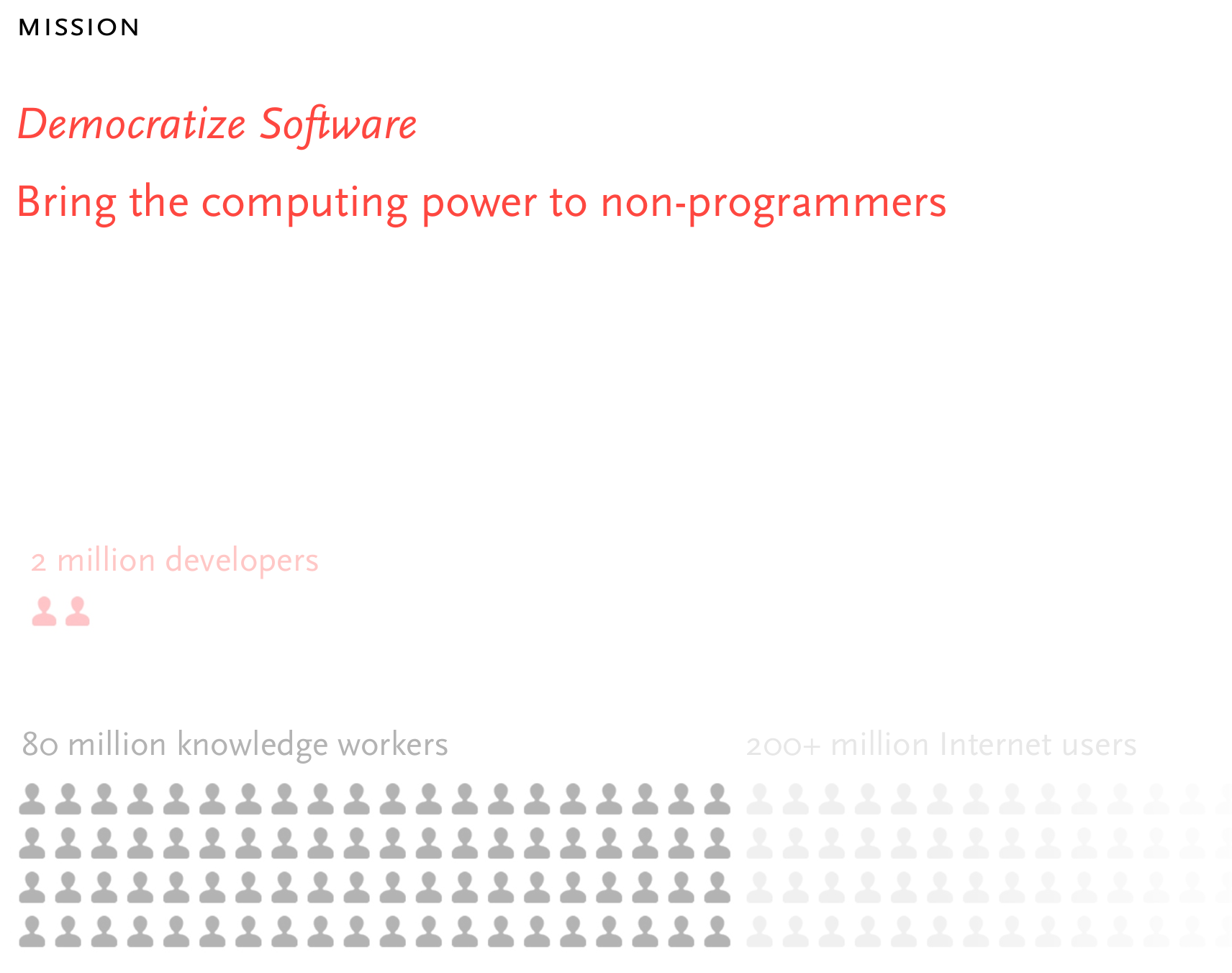
The result was Notion’s first version, which was a developer tool that allowed anyone to build their own software.
Unfortunately, it didn’t work.
The team realized that most people didn’t care about creating software. They only cared about getting their work done.
This forced Ivan’s team to rethink the idea. Instead of asking people to build software, they decided to hide that power inside something people already used every day.
They chose to build productivity software that people used in their daily work.

Notion was rebuilt as a flexible document editor and eventually became an all-in-one workspace. But their core philosophy hasn’t changed: people should have the ability to create tools for their work and life without programming knowledge.
That’s the reason for what Notion is today - the lego for software. You can build a project tracker, task management tool, or knowledge base the way you want.
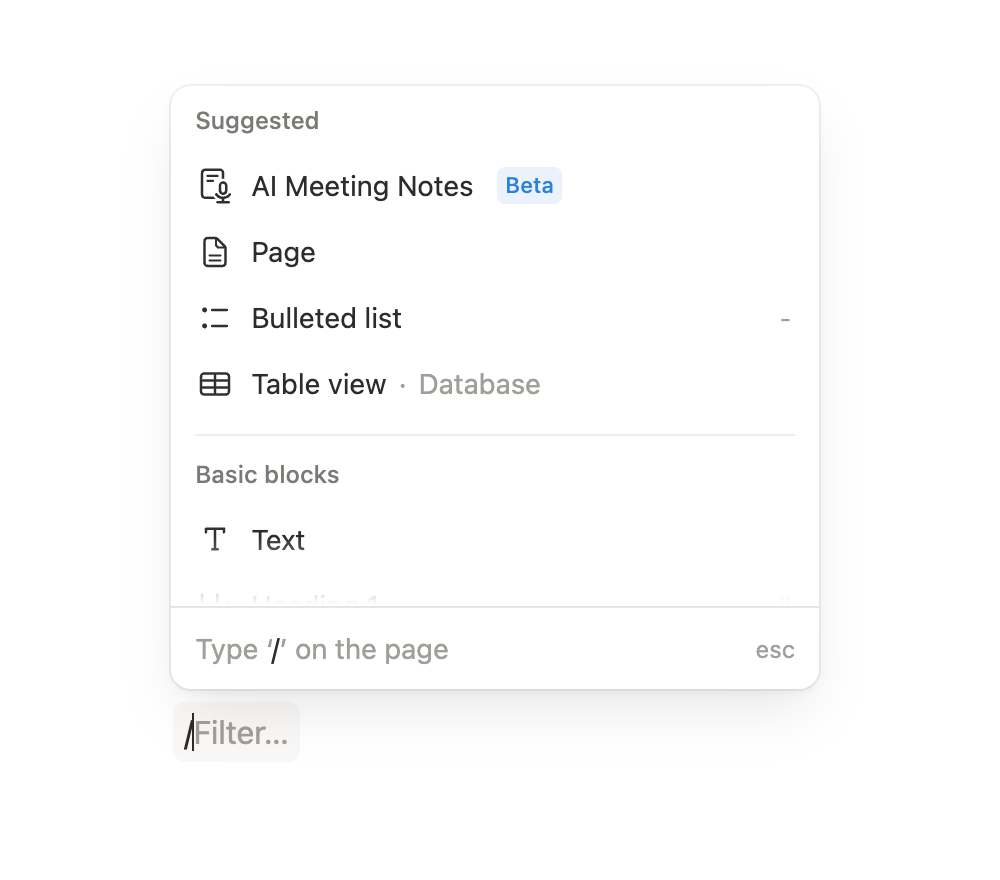
Notion isn’t there yet, but they are close to achieving their mission.
Key Takeaway
A world-changing idea means nothing if it doesn’t resonate with the people you’re building for.
Don’t love your use case (the problem), but your values and philosophy.
The best ideas comes from your personal experience, not from your social media feed or idea generators.